


Small foods with big benefits for your health and wellbeing
Seeds are one of the most overlooked nutritional powerhouses in the natural world and we absolutely love them here at Wildseed Health. If you’re wondering about the healthiest seeds to eat, the answer may surprise you. These tiny foods contain the nutrients needed to grow an entire plant, which means they are naturally rich in fiber, healthy fats, plant-based protein, antioxidants, vitamins, and minerals that support overall wellbeing.
Adding a few tablespoons of seeds to your meals each day is one of the simplest ways to support gut health, heart health, and steady energy. From chia and flax to pumpkin and sesame, these small ingredients can make a meaningful difference in your nutrition.
Below are 10 of the healthiest seeds to eat right now, along with their benefits and simple ways to enjoy them.
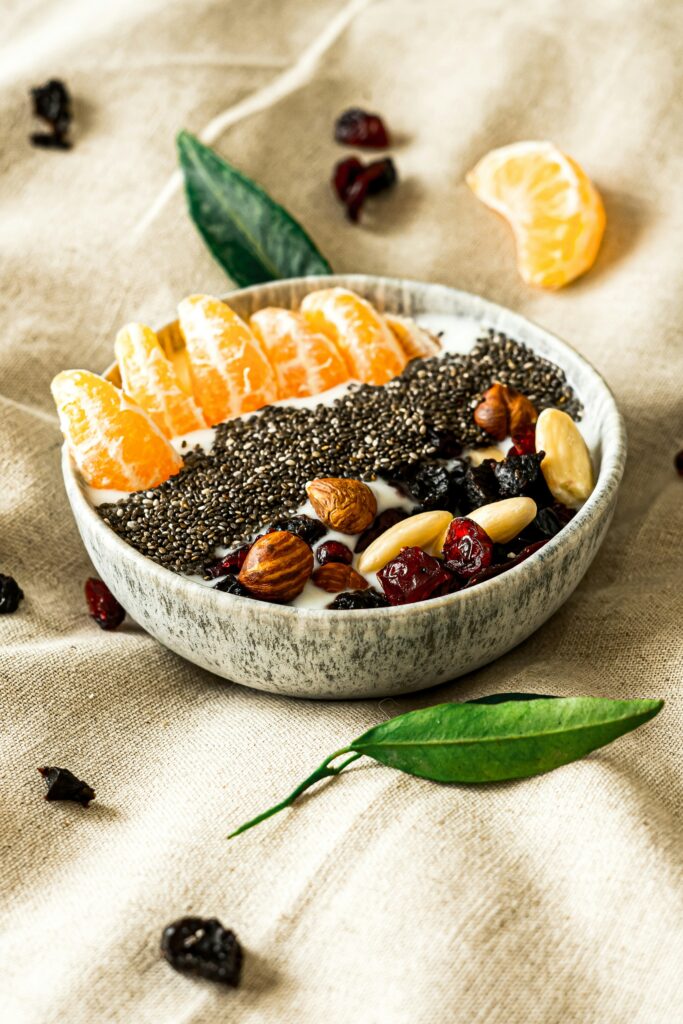
1. Chia Seeds
Chia seeds may be small, but they are incredibly nutrient dense. They are rich in fiber, omega-3 fatty acids, plant-based protein, calcium, magnesium, and antioxidants.
Just two tablespoons provide nearly 10 grams of fiber, which supports gut health, blood sugar balance, and satiety. Chia seeds absorb liquid and form a gel-like texture, making them helpful for digestion and hydration. A good travel hack is to add 1 tbsp of seeds to a water bottle, shake well, and let it sit for 15 minutes to let the seeds absorb. It packs a lot more hydration which can slowly release into your body over the duration of a flight.
Easy ways to use them:
- Stir into overnight oats or yogurt
- Blend into smoothies
- Make chia pudding with almond or coconut milk
- Sprinkle over fruit
- Incorporate into baked treats!
2. Flax Seeds
Flax seeds are one of the best plant sources of omega-3 fatty acids, particularly ALA (alpha-linolenic acid), which supports heart health and helps reduce inflammation. They’re also rich in lignans, plant compounds that may support hormone balance and provide antioxidant protection.
For optimal absorption, flax seeds should be ground rather than eaten whole. Store them in the fridge to make sure they fresh—and use it liberally across your food!
How to enjoy them:
- Add ground flax to smoothies or oatmeal
- Mix into pancake or muffin batter
- Sprinkle over salads or grain bowls
3. Hemp Seeds
Hemp seeds (also called hemp hearts) are a complete plant protein, meaning they contain all nine essential amino acids. They’re also rich in magnesium, iron, and omega-3 and omega-6 fats. Their soft texture and mild nutty flavor make them incredibly easy to incorporate into meals.
Ways to add hemp seeds:
- Sprinkle on avocado toast
- Blend into smoothies
- Add to yogurt or oatmeal
- Toss into salads or roasted vegetables
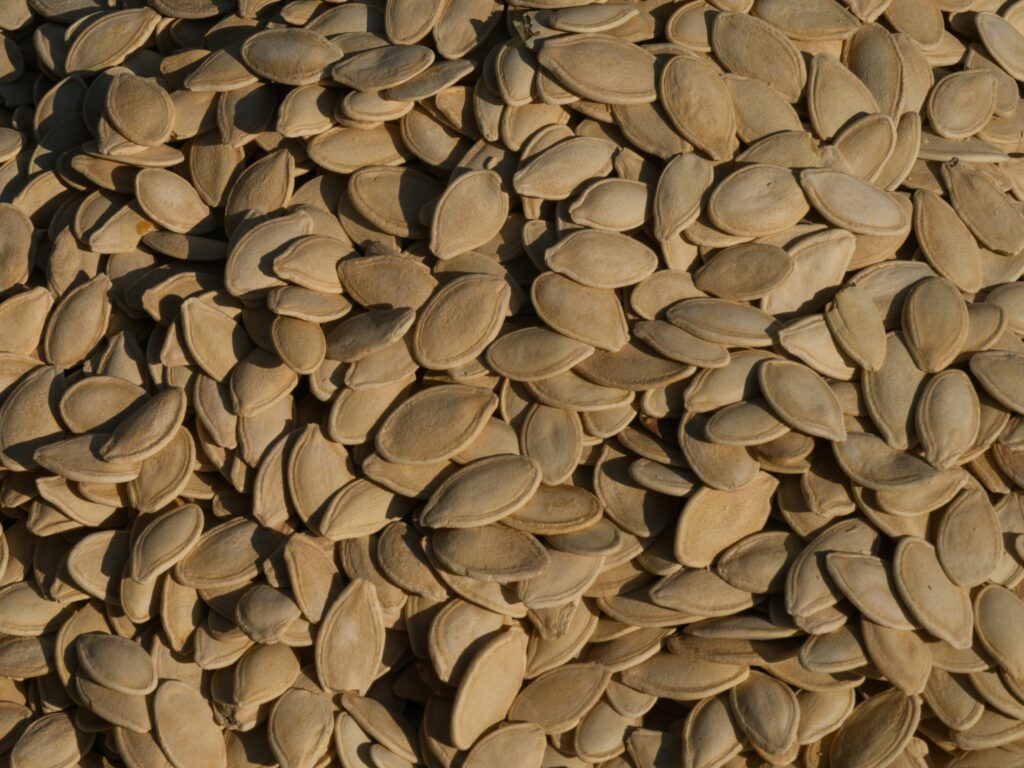
4. Pumpkin Seeds (Pepitas)
Pumpkin seeds are a standout for magnesium, zinc, iron, and plant-based protein.
Magnesium supports muscle function, sleep, and stress regulation, while zinc plays an important role in immune health. These seeds are also a great snack that provides sustained energy.
Try them:
- Roasted with olive oil and sea salt
- Added to trail mix
- Sprinkled over salads or soups
- Mixed into granola
5. Sesame Seed
Sesame seeds have been used in traditional cuisines for thousands of years and are a great source of calcium, iron, and healthy fats. They also contain compounds called sesamin and sesamol, which have antioxidant and anti-inflammatory properties.
Delicious ways to use them:
- Sprinkle over stir-fries or roasted vegetables
- Use tahini (sesame seed paste) in dressings and sauces
- Add to homemade crackers or breads
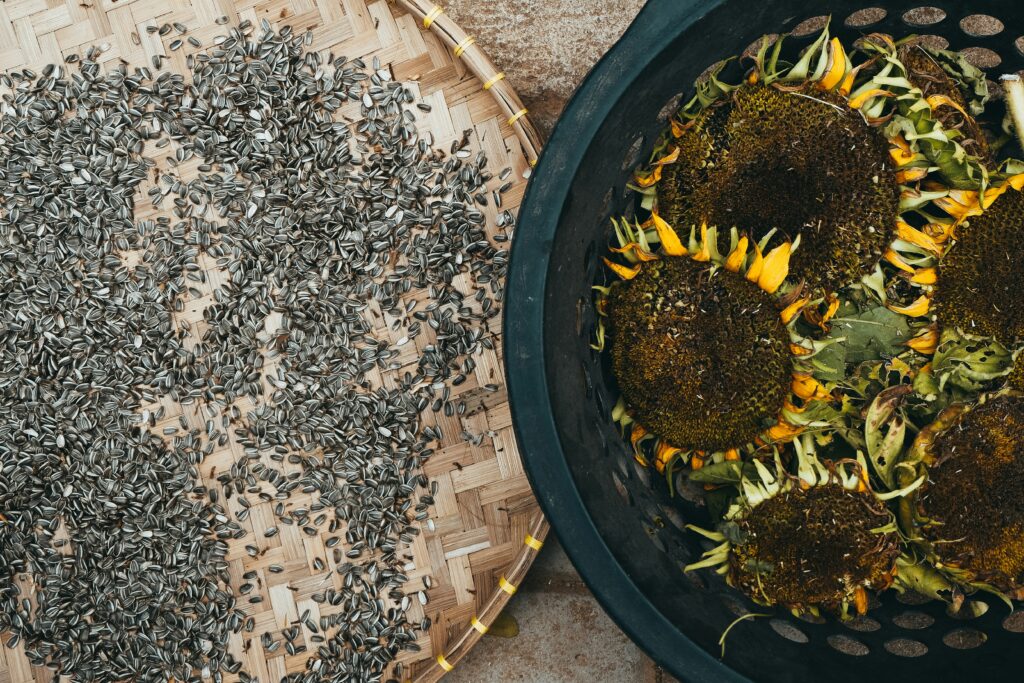
6. Sunflower Seeds
Sunflower seeds are rich in vitamin E, an antioxidant that supports skin health, immune function, and cellular protection. They also contain selenium, magnesium, and healthy fats that help support heart health. When thinking about the healthiest seeds to eat, variety matters. Different seeds offer different nutrients so try sunflower seeds in combination with others for a wider range of flavors and benefits.
Easy additions:
- Toss into salads
- Add to grain bowls
- Mix into trail mix
- Blend into sunflower seed butter
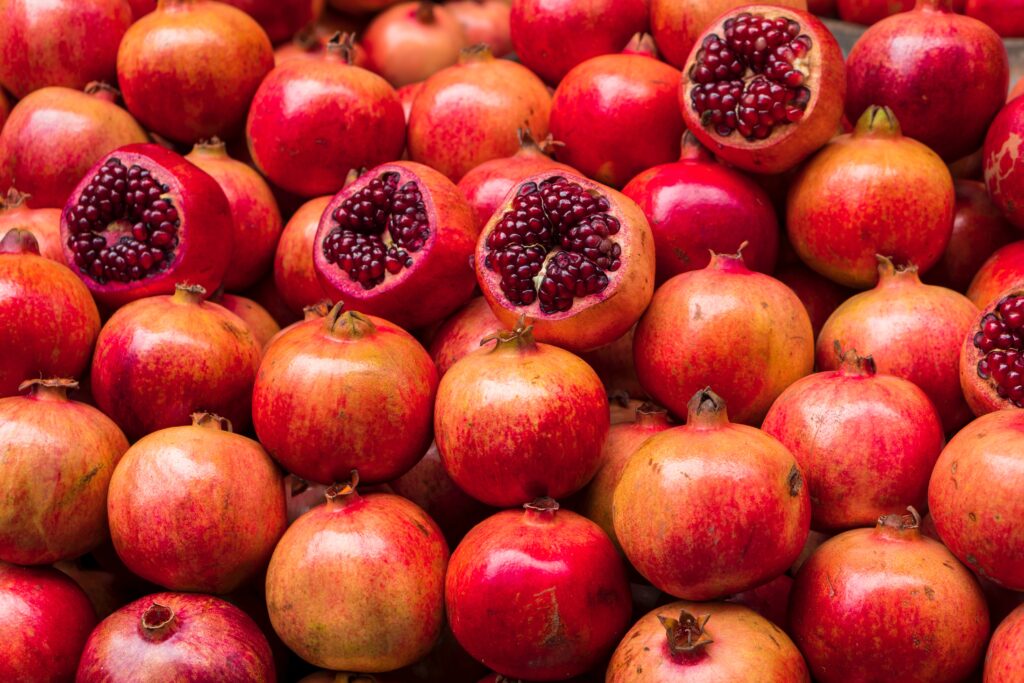
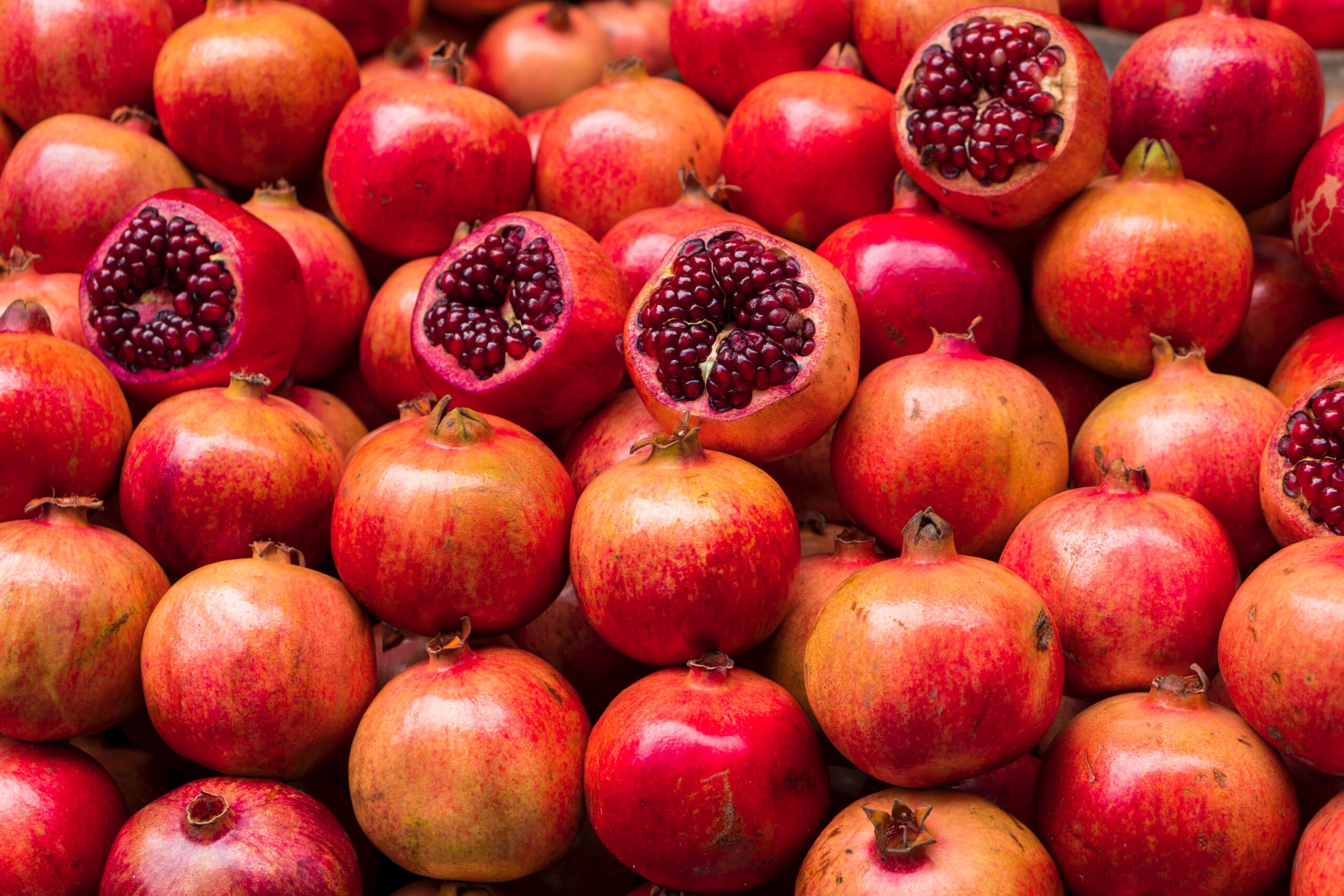
7. Pomegranate Seeds (Arils)
While technically a fruit seed, pomegranate arils are worth including because they are loaded with polyphenols and antioxidants that help combat oxidative stress. These vibrant seeds are also refreshing, hydrating, and rich in vitamin C and add a vibrant and delicious touch to salads, granola bowls and guacamole!
Try them:
- Tossed into salads
- Added to yogurt or oatmeal
- Sprinkled over roasted vegetables
- Mixed into smoothies
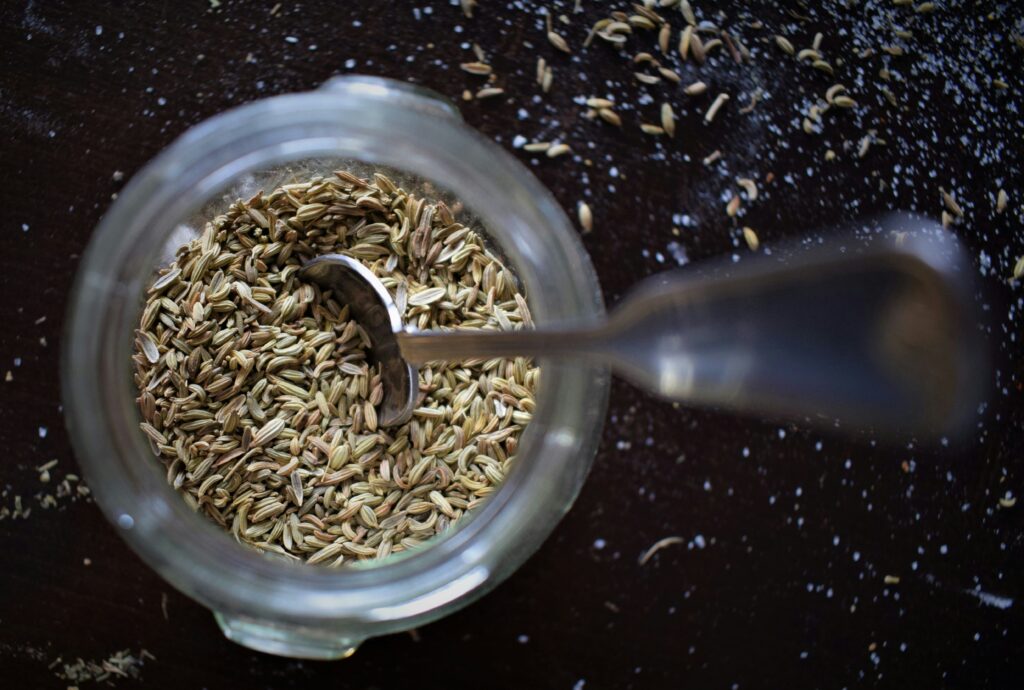
8. Fennel Seeds
Fennel seeds are widely used in herbal medicine and traditional cooking for their digestive-supporting properties. They contain compounds that can help soothe bloating and support healthy digestion.
Simple ways to use them:
- Brew fennel seed tea after meals
- Add to roasted vegetables
- Sprinkle into soups or stews
- Chew a small pinch after eating
9. Cumin Seeds
Cumin seeds are a staple in many global cuisines and have long been valued for their digestive and anti-inflammatory properties. They contain antioxidants and may help support healthy metabolism and blood sugar balance.
Use them in:
- Lentil and bean dishes
- Roasted vegetables
- Rice and grain dishes
- Homemade spice blends
10. Mustard Seeds
Mustard seeds are tiny but packed with flavor and beneficial compounds called glucosinolates, which are also found in cruciferous vegetables. These compounds have been studied for their potential role in supporting detoxification and cellular health.
Ways to use mustard seeds:
- Temper them in hot oil for curries or vegetable dishes
- Add to pickles and fermented foods
- Sprinkle into salad dressings
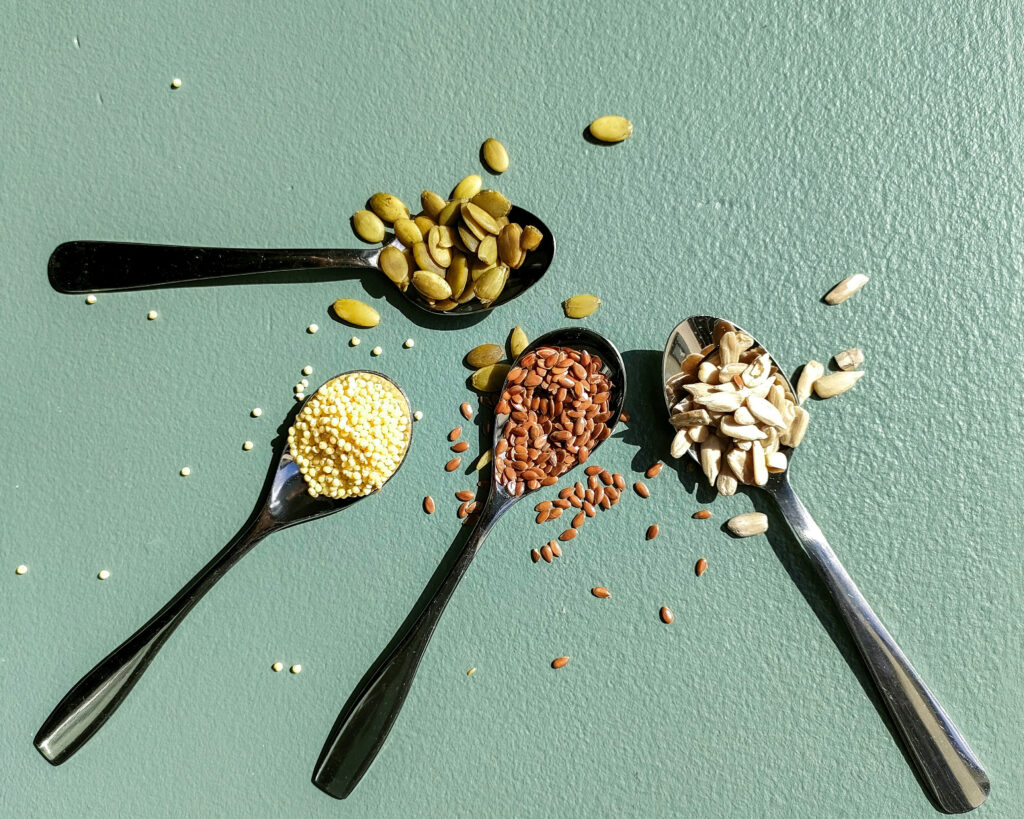
Why Seeds Matter for Health
Adding seeds to your diet is one of the simplest ways to increase the nutrient density of your meals. Because they contain healthy fats, fiber, and protein, they help support:
- Stable blood sugar
- Gut health and digestion
- Heart health
- Hormone balance
- Sustained energy
They’re also incredibly practical. Seeds are shelf-stable, affordable, and easy to incorporate into everyday foods without complicated recipes.
A Simple Habit That Adds Up
Nutrition doesn’t need to be complicated to be powerful.
The healthiest seeds to eat are often the ones you enjoy and can add consistently to your meals. Start with one or two favorites and gradually rotate different seeds throughout the week to benefit from their unique nutrients. Adding a tablespoon or two of seeds to your meals each day can gradually increase your intake of fiber, healthy fats, minerals, and plant-based nutrients that support long-term wellbeing. Sprinkle a mix of chia, flax, or hemp into your morning smoothie. Add pumpkin or sunflower seeds to your lunch salad. Stir sesame or cumin seeds into dinner. See what tastes good to you!
Over time, these small additions can make a meaningful difference in how you nourish your body. Because sometimes the smallest foods carry the greatest potential—just like seeds themselves.
Stay wild, be well!



+ show Comments
- Hide Comments
Add a comment