


Embrace The Return of Warmer Weather with Foods to Nourish Your Body
As the days grow longer and the air softens—finally, our bodies naturally begin to shift out of winter’s slower rhythm. Spring is a season of renewal, and eating for spring means choosing foods that support that transition—lighter, fresher ingredients that help restore energy, digestion, and vitality after the colder months.
Seasonal eating is one of the simplest ways to align with nature’s rhythms. Just as we often crave warming, grounding foods during winter, spring tends to invite brighter flavors, tender greens, and foods that gently support the body’s natural detoxification processes.
If you’re already familiar with our guides on Eating for Winter and Foods for Autumn, you know that seasonal nourishment isn’t about rigid rules—it’s about noticing what the body needs as the environment changes.
In spring, that often means foods that are fresh, vibrant, and supportive of digestion, liver health, and overall energy. Below are some of the best foods to include when eating for spring, along with simple ways to enjoy them.
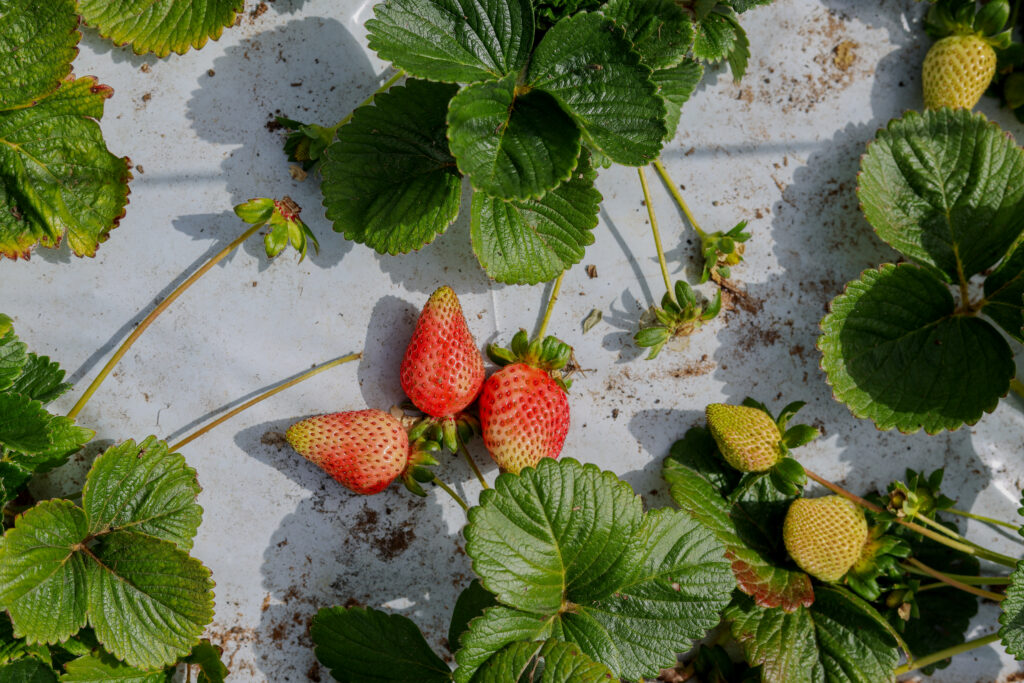
Why Eating Seasonally Matters
Before we explore specific foods, it’s helpful to understand why eating for spring can support overall wellbeing. Seasonal foods are often:
- More nutrient-dense, because they are harvested at peak ripeness
- Better aligned with what our bodies naturally need during that time of year
- More flavorful and satisfying
- More sustainable, requiring less storage and transport
From a wellness perspective, spring is often associated with renewal and gentle cleansing. The body naturally begins to release some of the heaviness accumulated during winter months, and foods that support digestion, hydration, and liver function can help that process feel more balanced.
1. Tender Leafy Green
Leafy greens are often the first vegetables to appear in early spring. Varieties like arugula, spinach, baby kale, watercress, and dandelion greens are rich in chlorophyll, vitamins A and C, and minerals that support overall vitality. These greens can also stimulate digestion and help the body naturally clear metabolic waste. Our eyes widen each time we visit the market and see all that lovely green color!
Ways to enjoy them:
- Add handfuls of greens to smoothies
- Toss into simple salads with olive oil and lemon
- Lightly sauté with garlic and olive oil
Including fresh greens daily is one of the easiest ways to begin eating for spring.
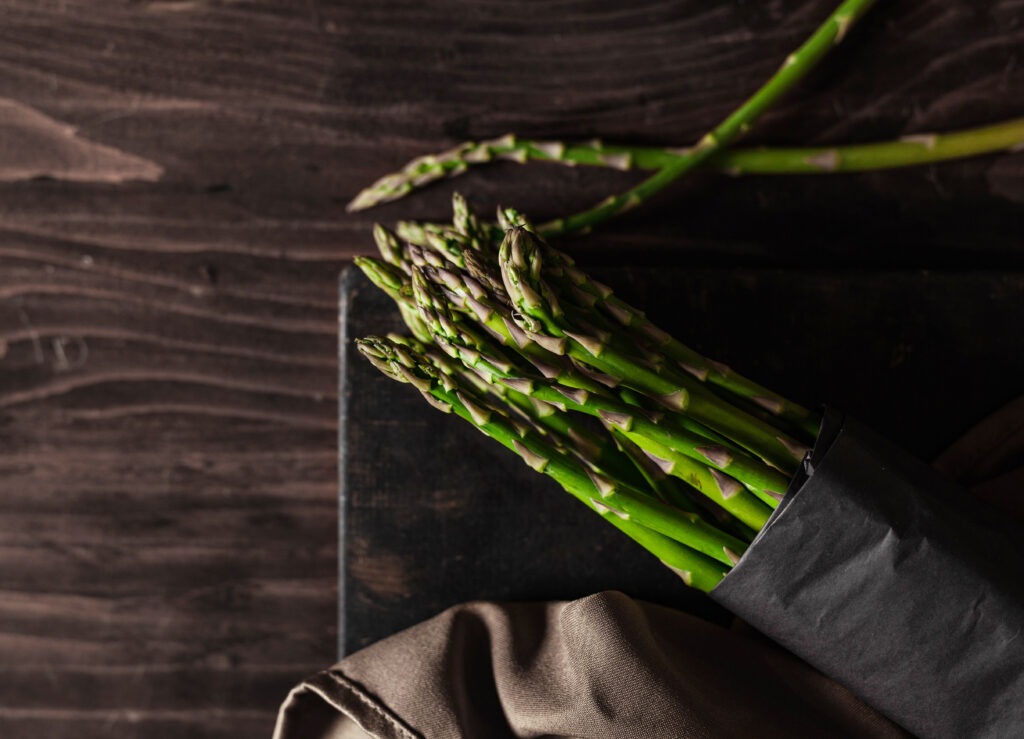
2. Asparagus
Asparagus is an absolute classic spring vegetable and a wonderful seasonal food to enjoy during this time of year. It’s rich in fiber, folate, and antioxidants, and contains compounds that support digestion and healthy detoxification pathways in the body. They are also painfully easy to prepare!
Simple preparation ideas:
- Roast with olive oil and sea salt
- Shave raw asparagus into salads
- Add to omelets or grain bowls
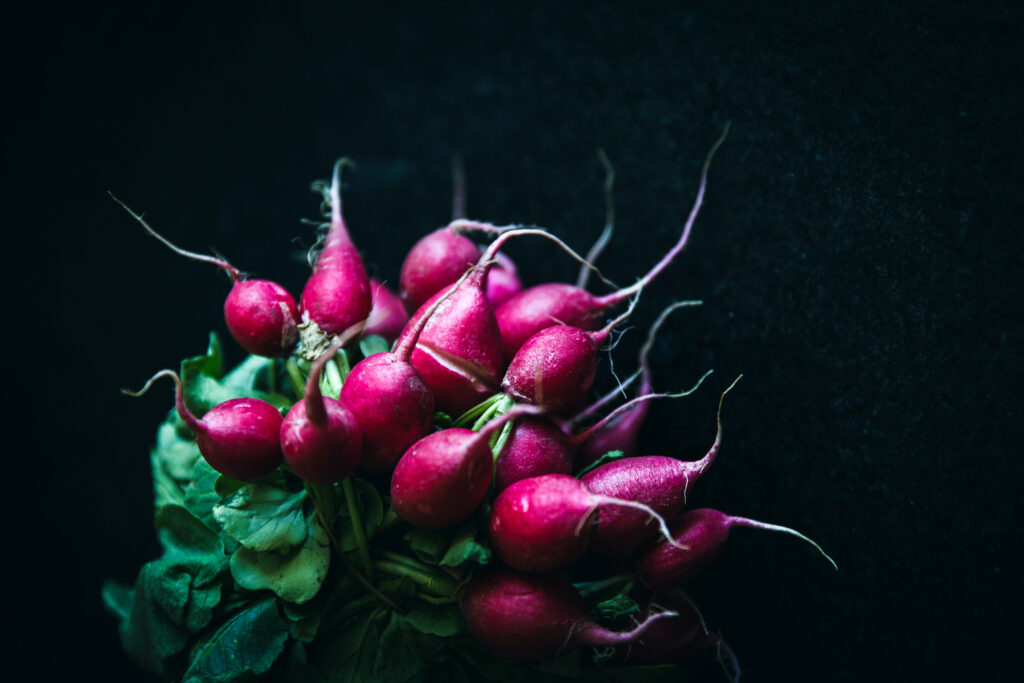
3. Radishes
Radishes bring a crisp, peppery flavor that naturally complements spring meals. They are hydrating and contain compounds that support liver function and digestion. Their bright, refreshing flavor can help balance heavier foods as the body transitions out of winter eating patterns.
Try them:
- Sliced into salads
- With butter and sea salt
- Pickled or roasted
Radishes are a wonderful addition when eaten in the spring, especially for supporting digestion. Our favorite way to eat these is picked—you can make jars and have them ready to accompany many other dishes.
4. Peas
Fresh peas begin to appear in late spring and offer a gentle sweetness along with plant-based protein and fiber. Peas also contain vitamins C and K, which support immune health and healthy circulation.
Ways to enjoy peas:
- Add to spring risotto
- Toss into pasta dishes
- Blend into soups
- Mix into grain salads
5. Fresh Herbs
Spring herbs like parsley, cilantro, mint, chives, and dill add brightness and depth to meals while providing concentrated nutrients. Many herbs support digestion and offer antioxidants that protect cellular health.
Easy ways to use fresh herbs:
- Add generous handfuls to salads
- Blend into sauces like pesto or chimichurri
- Sprinkle over roasted vegetables or fish
Herbs are one of the simplest ways to enhance flavor while supporting the principles of eating for spring.
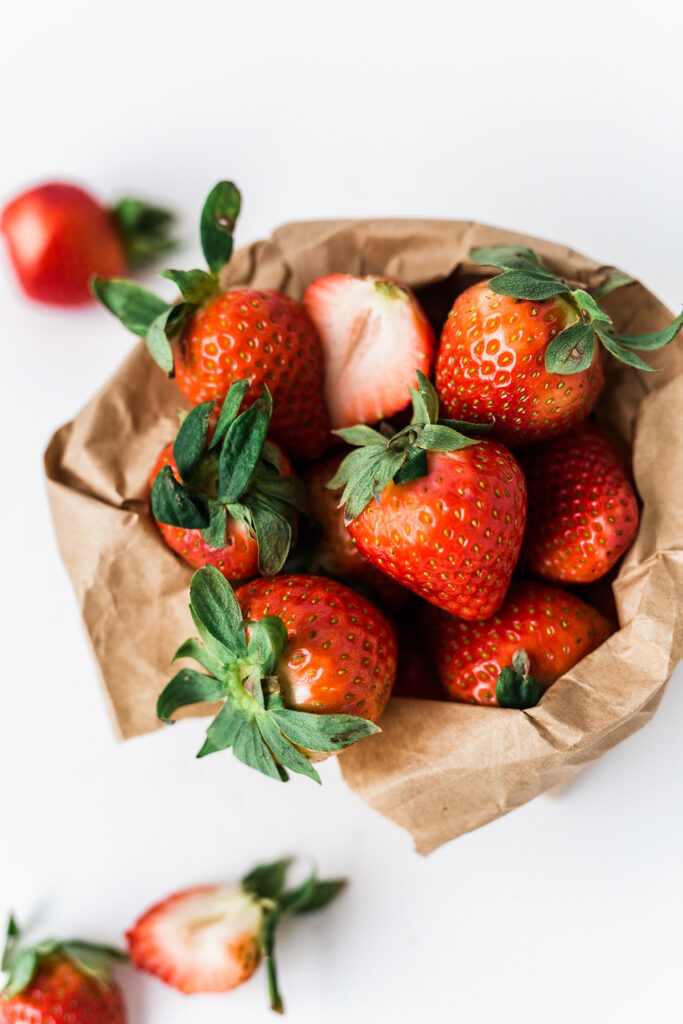
6. Strawberries
Strawberries need no introduction—they are often the first fruits of the spring season. Their bright red colors are rich in vitamin C, antioxidants, and natural sweetness that pairs beautifully with lighter seasonal meals. Eating fruit that grows locally and seasonally often provides the most flavor and nutritional value. Aim for organic strawberries wherever and whenever possible!
Enjoy strawberries:
- With yogurt or chia pudding
- In fresh fruit salads
- Blended into smoothies
7. Artichokes
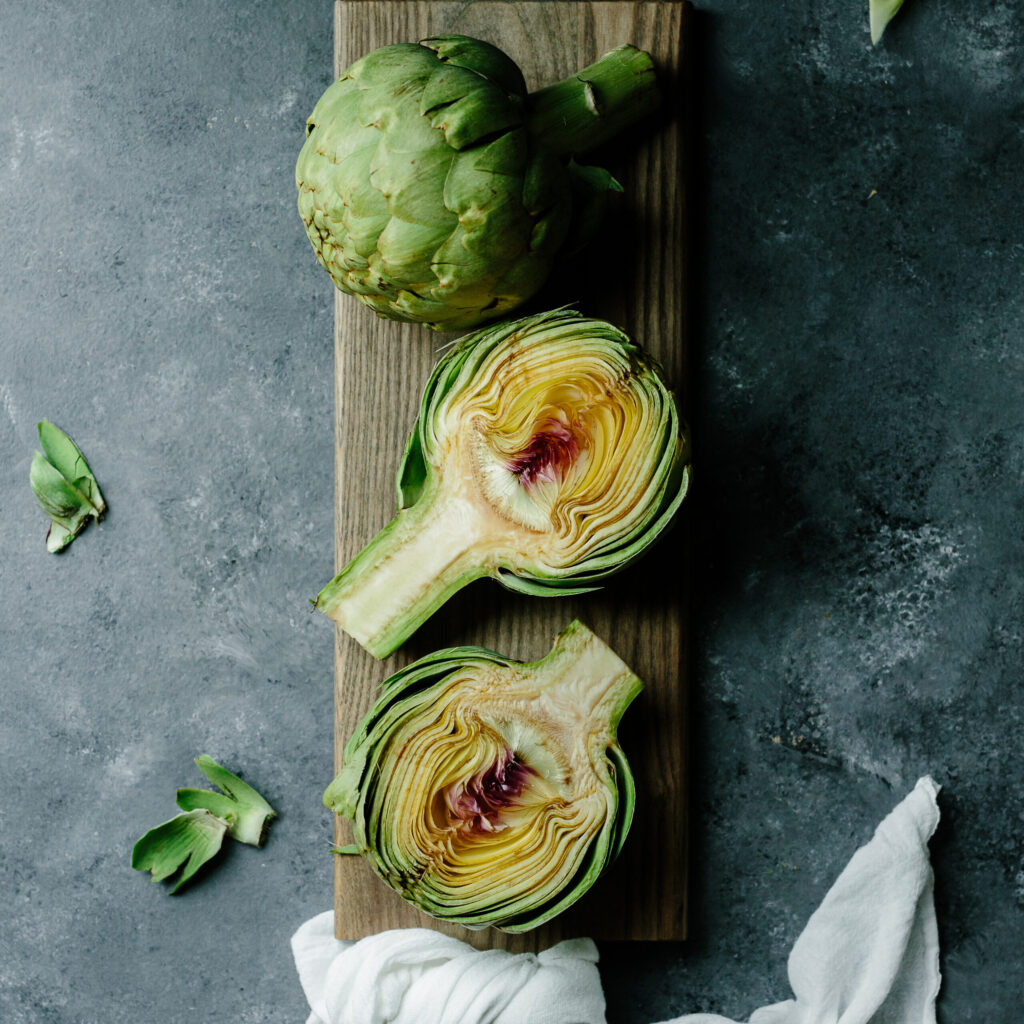
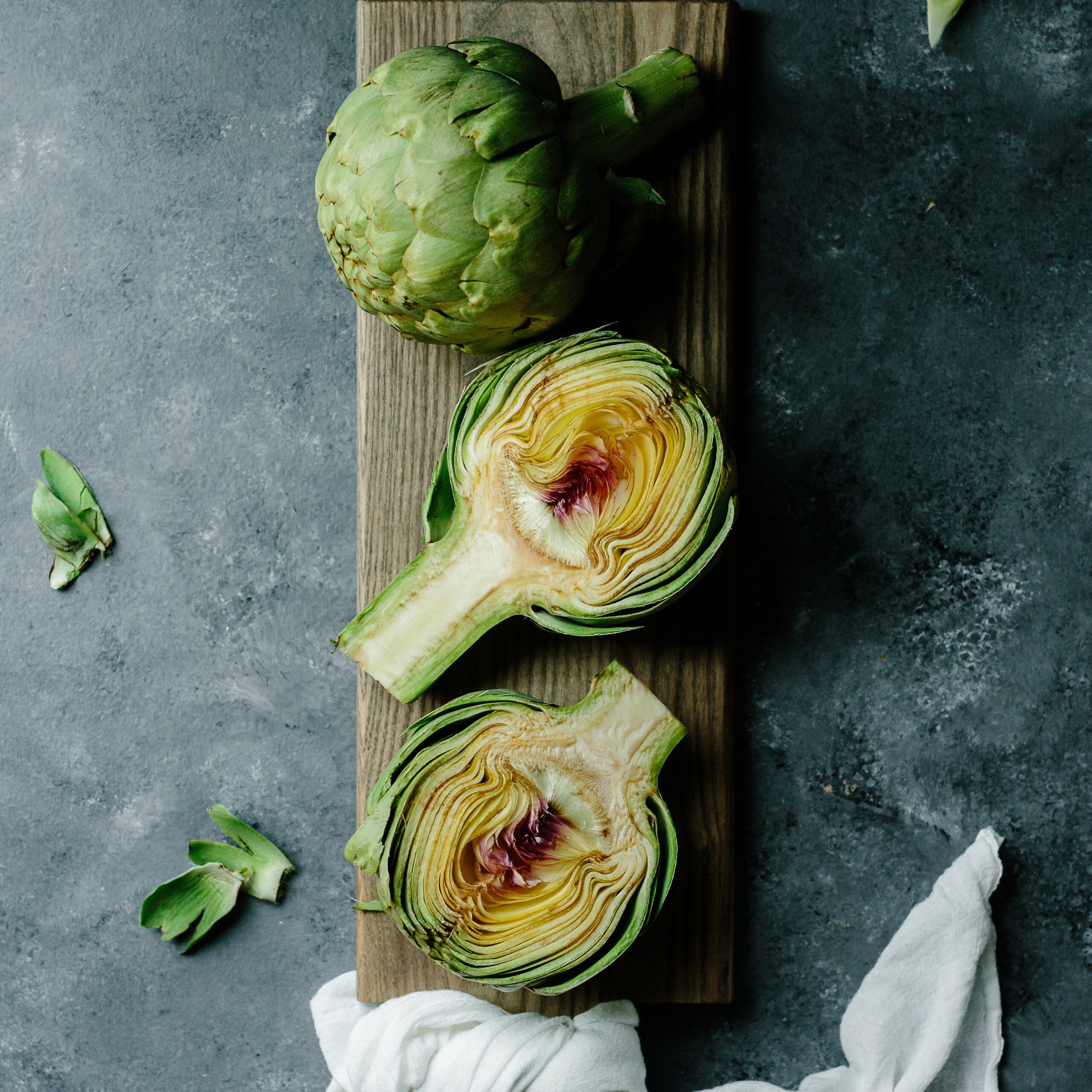
Artichokes are another springtime favorite and have long been valued for their digestive-supporting properties. They contain fiber and compounds that help support liver function and bile production, both important for healthy digestion. We love them steamed the French way!
Ways to enjoy artichokes:
- Steamed with olive oil and lemon
- Roasted with garlic
- Added to salads or pasta dishes
Shifting from Winter to Spring
If winter nourishment focuses on warming soups, roasted vegetables, and grounding meals, eating for spring invites a gradual lightening of the plate. This doesn’t mean abandoning comforting foods altogether. Instead, it often looks like:
- Adding more fresh vegetables
- Incorporating lighter cooking methods
- Including vibrant herbs and greens
- Enjoying seasonal fruits as they appear
Seasonal eating allows your body to transition naturally rather than forcing dramatic dietary changes. For more inspiration on seasonal nourishment, you may enjoy revisiting our guides to Eating for Winter and Foods for Autumn, which explore how food choices can support the body through each seasonal shift.
Simple Tips for Eating for Spring
If you’re new to seasonal eating, here are a few simple ways to begin eating for spring:
Visit a local farmers market
Seasonal produce is often freshest and most flavorful when purchased locally. Supporting your local farm stand and growers are also the best way to ensure they continue to thrive.
Start with one seasonal ingredient each week
Try incorporating asparagus one week, fresh herbs the next, and build from there. Next time you’re out, pick up some radishes, and see what you can do with them!
Keep meals simple
Spring foods often shine with minimal preparation—olive oil, lemon, and sea salt can go a long way. Roasted, grilled, or even a quick salad can pack a lot of flavors with little effort.
Listen to your body
Seasonal eating is less about rules and more about paying attention to what feels nourishing and energizing. As always, listen to your gut and enjoy your food.
Nourishing the Season Ahead
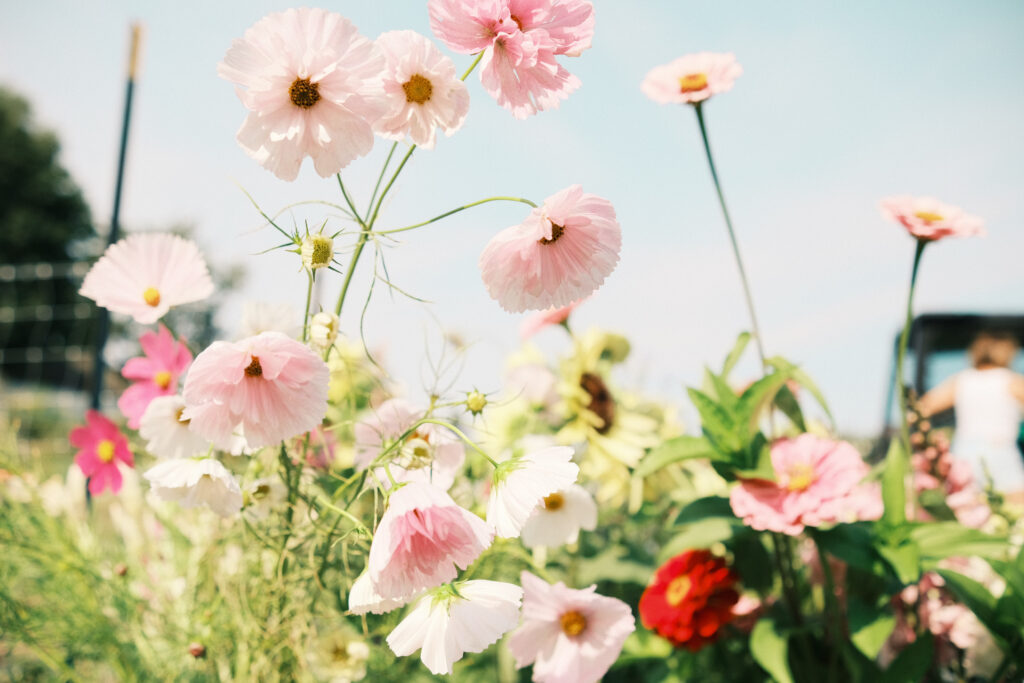
Spring is a time of movement, growth, and renewal. Just as the natural world begins to wake up after winter, our bodies often feel ready for fresh energy and lighter nourishment. By embracing the principles of eating for spring, you can support digestion, vitality, and overall wellbeing while enjoying some of the most vibrant foods of the year.
Seasonal eating is ultimately about connection—to the rhythms of nature, to the foods that nourish us, and to the signals our bodies offer each day. And spring is the perfect time to begin.
Stay wild, be well!



+ show Comments
- Hide Comments
Add a comment